Selecting the Ideal Asphalt Contractor for Your Paving Project
Determining the ideal paving firm is paramount for the success of any paving project. A contractor's qualifications, experience, and credibility can greatly influence the quality of work. Grasping the core services they present and asking the proper questions can illuminate their consistency. However, managing quotes and recognizing danger signals can be problematic. What criteria should one concentrate on to promise a favorable outcome?
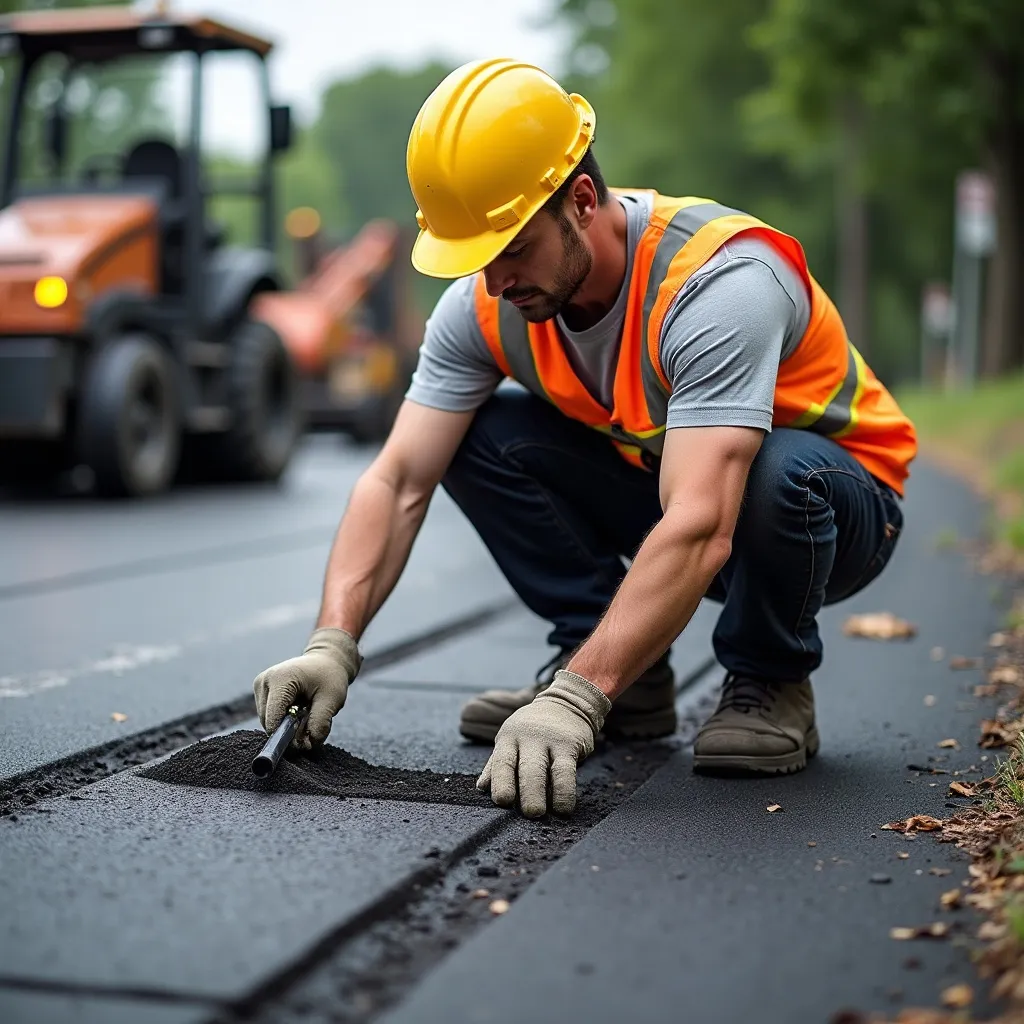
Why Opting for the Correct Asphalt Contractor Makes a Difference
Picking the right asphalt contractor is vital for maintaining the lifespan and standard of pavement projects. The choice regarding vendor can substantially determine the durability and performance of the asphalt surface. A competent technician recognizes the nuances of asphalt installation, involving proper preparation, appropriate sourcing, and application techniques. This proficiency lowers the risk of premature wear, splitting, and other complications that can develop from subpar workmanship.
Furthermore, a reputable contractor typically adheres to industry standards and implements superior supplies, which contribute to the general effectiveness of the work. Contracting the right professional also encourages effective communication, confirming that the customer's unique demands and anticipations are met. Finally, investing time in picking a experienced road construction expert can lead to substantial lasting financial advantages and boost the visual attractiveness and usability of the paved area. As a result, this decision is essential for any pavement project's success.
What Qualities Should Your Asphalt Contractor Possess?
What primary credentials should an asphalt contractor demonstrate to guarantee a successful project? A reputable asphalt contractor should carry the necessary licenses and certifications required by local regulations. These credentials confirm compliance with industry standards and local laws. Moreover, financial stability is paramount; a contractor must be able to support operations throughout the project, assuring timely completion.
Experience in multiple pavement methods and familiarity with different materials are important, as they directly influence the quality of work produced. Knowledge of safety protocols and proper equipment usage is also critical for protecting both workers and clients.
Furthermore, a strong understanding of project management principles can assist in effective scheduling and resource allocation. Finally, excellent communication skills are essential for handling customer issues and ensuring that requirements are satisfied. These skills together contribute to the overall achievement and contentment of a paving project.
Evaluating Your Paving Contractor's Background and Reputation
What ways exist to effectively gauge an asphalt contractor's expertise and name? To begin, prospective clients should review the contractor's work samples, which reveals completed work and proves their capabilities. Likewise, years in business often signal durability and skill in the industry. Website reviews and client testimonies from previous clients can furnish perspective on the contractor's reliability and quality of work.
In addition, asking for references can yield first-hand accounts of customer satisfaction and project outcomes. Working alongside local trade associations or checking for certifications can also affirm a contractor's professionalism and adherence to industry standards.
To sum up, a strong standing within the local area—demonstrated through repeat clients and referrals—can be a telling sign of a contractor's dependability. Collectively, these factors create a comprehensive overview of an asphalt contractor's experience and reputation, aiding in informed decision-making.
Important Solutions Given by Asphalt Contractors
A range of critical offerings are frequently delivered by asphalt contractors, meeting both home and commercial needs. These services commonly include asphalt paving, where contractors apply fresh asphalt for driveways, parking lots, and roads. Additionally, they offer asphalt repair services, fixing cracks and potholes to improve durability and safety. Sealcoating is another important offering, shielding asphalt surfaces from weather damage and extending their lifespan.
Furthermore, contractors may provide grading and drainage solutions, guaranteeing correct water drainage and avoiding future deterioration. Line striping is also included, marking parking spaces and traffic lines for better organization and protection. Some asphalt contractors offer maintenance plans, which include regular inspections and upkeep to extend the lifespan of asphalt surfaces. By understanding these essential services, property managers can make informed decisions when choosing an asphalt contractor for their asphalt projects.
Vital Questions to Present Your Asphalt Contractor
When selecting an asphalt contractor, it is crucial to ask key questions to gauge their expertise and reliability. Discussing their experience and qualifications, as well as understanding the project timeline and costs, can offer valuable insights. These key factors help ensure that the contractor can meet the project's demands effectively.
Experience and Qualifications
Experience and expertise remain fundamental in selecting an asphalt contractor. Prospective clients must ask about the contractor's years active in the industry, as a reliable track record often indicates reliability and expertise. Requesting references from past projects is advisable so clients can judge the quality of work provided. Contractors should also carry suitable licenses and certifications, demonstrating conformity with industry standards and regulations. Clients need to review specialized training the contractor has undergone, particularly in specific paving techniques or materials. Understanding the contractor's experience with similar projects can provide insight into their ability to handle unique challenges. Ultimately, a skilled contractor will enhance the project and promise long-term satisfaction.
Timeline and Costs for the Project
Understanding project timelines and costs is vital for clients choosing an asphalt contractor. Clients should inquire about the estimated duration of the project, including preparation, paving, and curing times. Contractors should provide a transparent timeline, detailing key milestones and potential delays. Clients must also ask for a comprehensive pricing breakdown, encompassing materials, labor, and any additional fees. Comprehending payment arrangements, such as deposits or financing options, is important for budgeting. It is recommended for clients to evaluate quotes from multiple contractors to guarantee transparency find details about and fairness. Finally, addressing potential weather-related impacts on project timelines can help set realistic expectations, fostering better communication and satisfaction throughout the paving process.
Examining Quotes and Pricing Structures
Reviewing proposals and pricing structures from various asphalt contractors is critical for deciding wisely. When evaluating estimates, it is important to look at not only the whole price but also the breakdown of resources, labor, and any additional fees. A lower quote may appear enticing, but it could indicate a sacrifice in quality or assistance.
Contractors regularly present different fee models; some may bill by square footage, while others might offer flat rates. Understanding these options can help clients gauge the true worth of each proposal.
Additionally, patrons should investigate warranty coverage and maintenance programs, which can impact long-term costs. It is suggested to request detailed, written quotes to verify honesty and support dependable assessments. By carefully analyzing these criteria, clients can select a contractor that fits their budget and quality expectations, ultimately leading to a accomplished paving venture.
Alert Signals to Pay Attention to When Working with an Asphalt Contractor
What indicators should someone spot when engaging an asphalt contractor? Numerous red flags can warn of trouble ahead. First, lacking proper licensing and insurance is a crucial danger sign; quality contractors should happily deliver this documentation. Furthermore, if a contractor quotes an remarkably low estimate, it may reveal substandard materials or workmanship.
A worry arises when a contractor is unwilling to provide references or a portfolio of past work, as this may imply a lack of expertise or poor previous projects. In addition, unclear or ambiguous contracts can lead to confusion and unforeseen costs in the future. Finally, aggressive sales tactics should raise suspicions; reliable contractors will grant clients opportunity to make conclusions. By staying vigilant and identifying these warning signs, property owners can more effectively protect themselves from possible problems in their paving projects.
Common Frequently Asked Questions
What Timeframe Should I Anticipate for My Paving Project Completion?
A paving project timespan generally ranges from a few days to several weeks, reliant on variables like project size, weather conditions, and the contractor's efficiency in administering resources and timelines.
What Sort of Asphalt Options Would You Advise?
The contractor advised choosing premium hot mix asphalt for performance and durability. Moreover, they proposed considering porous asphalt for environmental benefits, or cold mix asphalt for temporary repairs, depending on the specific job requirements and conditions.
Are There Warranties Included for Your Work?
Qualified asphalt contractors frequently provide warranties on their work, guaranteeing quality and durability. These warranties typically protect materials and workmanship, providing clients peace of mind and protection against potential issues arising after the project's completion.
Can you give references from previous patrons?
Yes, reputable service providers typically deliver references from past clients. This helps potential customers to assess the degree of excellence and patron satisfaction, guaranteeing they make an informed decision before undertaking their paving project.
What Season Works Most Effectively for Paving?
The optimal time for paving is usually during warm weather periods, especially late spring to early fall. This period guarantees optimal thermal environments, allowing asphalt to cure properly and decreasing the potential of weather-induced delays.